
Credit Cards and Teens: Should You Add Them as an Authorized User?
As your teenager inches closer to adulthood, you're probably thinking about how to prepare them for the financial world they'll soon navigate independently. One question I hear often from parents at Tradechology Academy: "Should I add my teen as an authorized user on my credit card?"
It's a bigger decision than it might seem at first glance. While it could jumpstart your teen's credit history, it also comes with significant responsibilities for both of you. Let's break down everything you need to know to make the right call for your family.
What Does "Authorized User" Actually Mean?
Before diving into the pros and cons, let's get clear on what we're talking about. When you add your teen as an authorized user:
- They receive a card with their name that's linked to YOUR account
- YOU remain legally responsible for all charges on the account
- They build credit history based on YOUR account management
- They can make purchases, but can't make account changes
Think of it as lending them your financial reputation while they learn the ropes.
The Potential Benefits: Why Parents Consider It
A Credit History Head Start
Perhaps the biggest advantage is giving your teen a significant leg up on building credit. When you add them as an authorized user, the entire account history (not just from when they were added) can appear on their credit report.
For example, if you've maintained a card in good standing for 15 years and add your 16-year-old, they could enter adulthood with a credit history longer than they've been alive! This credit foundation can help them qualify for apartments, loans, and better rates when they're starting out.
Real-World Financial Education
Textbooks and lectures about financial responsibility are one thing. Actual experience is another. As one parent told me, "My daughter learned more about interest rates the month she helped pay off her portion of our statement balance than she did in a whole semester of economics."
With an authorized user card, you can:
- Review statements together
- Discuss spending patterns
- Demonstrate how interest accumulates
- Practice monthly budgeting
All this happens in a controlled environment where you can catch mistakes before they become costly.
Emergency Access to Funds
Let's face it—teens sometimes find themselves in situations where they need immediate access to funds. Whether it's an unexpected Uber ride home, a school supply needed for tomorrow, or running out of gas, having a card provides security both for them and for you as a parent.

The Potential Downsides: What Parents Worry About
Financial Liability Falls on You
This is the big one. No matter how responsible your teen is, as the primary cardholder, YOU are legally responsible for every penny charged to that account. If they go on a shopping spree or lose the card, those charges are yours to deal with.
As one parent shared: "My son was great for the first six months. Then came concert ticket season, and suddenly I had a $600 charge I wasn't expecting. It was a tough conversation, but an important lesson for both of us."
Impact on Your Credit Score
Your credit utilization—the percentage of available credit you're using—significantly impacts your credit score. When your teen starts charging purchases, your utilization rate could increase, potentially lowering your score.
Similarly, if your teen makes charges that you struggle to pay off, any late payments will damage YOUR credit score, not theirs.
Enabling Poor Financial Habits
Some financial experts worry that giving teens access to credit cards too early can establish poor spending habits. Without feeling the immediate impact of spending (as they would with cash), teens might develop a disconnected relationship with money.
Age Considerations: When Is the Right Time?
Most credit card companies allow you to add authorized users as young as 13, though some require them to be at least 16. However, the legal age requirement doesn't answer the more important question: When is YOUR teen ready?
Consider these developmental markers rather than just age:
- Do they understand the difference between needs and wants?
- Can they delay gratification?
- Do they save some of their own money?
- Have they demonstrated responsibility with smaller financial tasks?
Setting Smart Boundaries: The Parent's Playbook
If you decide to add your teen as an authorized user, clear boundaries are essential.
Spending Limits and Restrictions
Many credit card issuers now offer tools to set spending limits specifically for authorized users. American Express, for example, allows primary cardholders to set limits as low as $200 for additional users.
If your card doesn't offer this feature, create your own system:
- Establish a clear monthly limit
- Require pre-approval for purchases over a certain amount
- Limit the card to specific categories (gas, school supplies, emergencies)
The Communication Contract
Before handing over that piece of plastic, sit down for a detailed conversation. Create what I call a "Card Contract" that outlines:
- What expenses are permitted
- How and when they should report purchases to you
- Consequences for unauthorized purchases
- Their responsibility in helping pay the bill
- What constitutes emergency use
Have both of you sign it. This might sound formal, but it creates clarity that prevents misunderstandings.

Monitoring Strategies That Work
Set up real-time purchase alerts on your phone. Most credit card apps now send instant notifications when the card is used, showing the amount and merchant.
Schedule regular "statement reviews" where you sit down together to review purchases. This isn't about interrogation, but education—helping them connect their daily decisions to the monthly statement.
Alternative Options to Consider
If you're not quite ready to add your teen as an authorized user, consider these stepping stones:
Prepaid Cards
These work like gift cards that can be reloaded. They offer spending power without credit-building benefits or overdraft risks. Perfect for younger teens just learning to manage electronic payments.
Teen-Focused Debit Cards
Products like Greenlight or Step are specifically designed for teens with parental controls, savings features, and educational components built in.
Secured Credit Cards
For older teens (18+), secured cards require a security deposit that serves as the credit limit. They build credit history while limiting risk.
Making the Decision: A Family Framework
To help you decide what's right for your family, ask yourself these questions:
- Is my own credit in good shape? (You don't want to pass poor credit history to your teen)
- Am I financially stable enough to cover unexpected charges if necessary?
- Has my teen demonstrated responsibility with money in other contexts?
- Do I have time to monitor and teach through this process?
- Does my teen understand the seriousness of this financial tool?
If you answered "no" to more than one of these, it might be wise to explore alternatives or wait a bit longer.

Signs Your Teen Is Ready (Or Not)
Green Lights
- Saves consistently from allowance or job earnings
- Asks thoughtful questions about financial decisions
- Shows interest in their future financial health
- Understands the concept of compound interest
- Has successfully managed smaller financial responsibilities
Red Flags
- Frequently loses things of value
- Makes impulsive purchases they later regret
- Shows little interest in learning about money management
- Struggles to delay gratification
- Has a "you owe me" attitude about money
The Bottom Line: It's About Teaching, Not Just Spending
Adding your teen as an authorized user isn't just about convenience or even building credit—it's fundamentally an educational opportunity. When approached deliberately, it can become one of the most powerful financial teaching tools available to parents.
At Tradechology Academy, we believe in preparing teens for financial success through real-world experience, not just theory. Whether you decide to add your teen as an authorized user or choose another path, the key is to use every financial interaction as a chance to build their knowledge and confidence.
Remember: Your goal isn't just to help them build credit history, but to help them build the judgment and habits that will serve them throughout their financial lives.
Ready to take your teen's financial education to the next level? Explore our comprehensive financial literacy programs designed specifically for teens at different stages of their financial journey. Our curriculum goes beyond basic money management to help young people understand investing, credit building, and long-term wealth strategies in ways they can actually relate to.
Your teen's financial future starts with the decisions you make today. Choose wisely!

Breaking the Taboo: Helping Teens Talk About Debt, Budgets, and Financial Decisions with Confidence
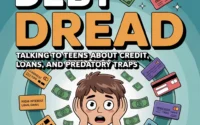
Debt Dread: Talking to Teens About Credit, Loans, and Predatory Traps

Making Money Lessons Relevant for Teens—Bridging the “Relevance Gap”
About The Author
